The Center for Teaching Excellence and Innovation (CTEI) is pleased to offer its Peer Observation of Teaching program at the University of Hartford. Based on recommendations from the Peer Review of Teaching Task Force and widespread faculty input, we have designed and implemented a program that we believe has the potential to further elevate our commitment to teaching excellence on campus.
As you may know, there are several documented benefits to the peer review of teaching, including but not limited to:
- Enhanced Teaching Practices: Peer observation encourages instructors to reflect on their teaching methods and/curricula, leading to improved instructional strategies and better student outcomes.
- Professional Development: A developmental program promotes continuous professional growth by providing constructive feedback and fostering a culture of ongoing learning.
- Increased Confidence: Engaging in peer observation can boost instructors’ confidence in their teaching abilities by validating effective practices and identifying areas for improvement.
- Collegiality and Collaboration: The process fosters a sense of community and collaboration among faculty, promoting a more open and supportive teaching environment.
A peer review from a colleague, although beneficial, may lack structured feedback or the opportunity for constructive feedback and collaboration that the CTEI Observation of Teaching Program offers. The CTEI process is designed to be comprehensive, collaborative, and participant directed.
Comparison of Peer Review/Observation Types
Who Reviews/Observes
A colleague you ask directly, often from your department or college
CTEI Trained Observers
Purpose
Document current teaching practice. Used as evidence in annual, mid-course, promotion, contract renewal, or tenure reviews.
Examine teaching practice for future development. Demonstrate commitment to teaching growth over time. Document teaching development and commitment to growth in annual, mid-course, promotion, contract renewal, or tenure reviews (optional)
Process
Instructor asks a peer to observe a class period. Meetings may or may not occur in addition to the class observation.
Instructor requests observation at CTEI website. Constructive, collaborative, and participant-directed process with pre- and post-observation meetings in addition to teaching observation.
Resulting artifact/ product
Formal letter from peer reviewer, often addressed to the instructor or department chair.
Summary document of the peer observation process, including pre- and post-meetings, and teaching observation.
Benefits
Documents strengths. Provides feedback from a colleague. Can be tailored to specific departmental expectations
Documents strengths while offering suggestions on topic(s) chosen by instructor. Encourages reflective practice and helps to document professional growth. Collaborative process with a peer beyond your department
CTEI Observers are trained, cross-disciplinary faculty who have teaching expertise with varied student populations, across a range of course formats and delivery modes, and with diverse pedagogical approaches (please see bios and photos below). Some observers have expertise in reviewing asynchronous courses and inclusive pedagogies.
Mirroring best practices, trained CTEI Observers are available to all faculty to conduct a comprehensive peer observation of teaching. This includes, (1) participating in a pre-observation meeting where the reviewee identifies goals for the teaching observation, (2) observing a lesson, and (3) participating in a post-observation meeting where the reviewer and reviewee discuss their reflections on the lesson. Trained CTEI Observers will also share their reflections, in writing, which the instructors who may choose to use in any way they see fit. These written observations are strictly confidential!
To participate in our CTEI Peer Observation of Teaching Program, please review the details for each trained peer observer listed below by clicking the plus + sign to right of their name. The descriptions will give you a sense of their teaching foci. Observers need not be content area experts or even in fields related to your own. In fact, individuals from different disciplines can sometimes offer the most helpful feedback coming from a different perspective. Narrow your choices to your top three. Then, please complete the form at this link, Peer Observation of Teaching Request Form which will alert us and allow us to contact your peer observer colleagues. You will be asked to share relevant course information and your top three peer observer preferences.
We will do our best to get back to you in 48-72 hours with next steps.
We are very much looking forward to having you take part in this process!
Trained Peer Observers
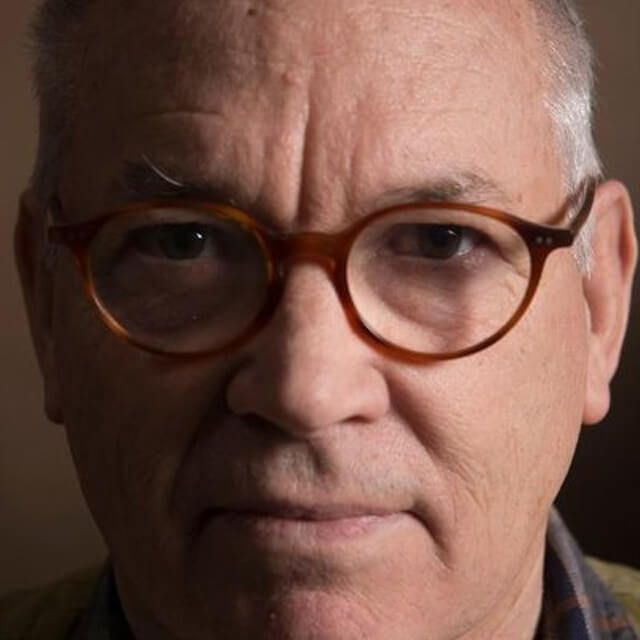 Power Boothe is a Professor of Painting at the Hartford Art School and chairs the Department of Fine Arts at the University of Hartford. He served as the Dean of the Hartford Art School from 2001 to 2010, during which he led a campaign to establish the Renée Samuels Art and Technology Center. As Director of the Mount Royal Graduate School of Art at the Maryland Institute College of Art from 1993 to 1998, he received the Trustees Award for Teaching Excellence. Boothe served as a Lecturer in the Humanities at Princeton University from 1988 to 1994, and he was a member of the faculty of the School of Visual Arts in New York from 1979 to 1988.
Boothe grew up in Lafayette, CA, studied painting at the California College of the Arts and the San Francisco Art Institute, and received a BA from Colorado College, Colorado Springs, CO. He came to New York as a student in the Whitney Museum Independent Study Program in 1967. He received an Honorary Doctorate of Arts degree from Colorado College in 1989, for his mid-career accomplishments, and a Ph.D. in Philosophy from the Institute for Doctoral Studies in the Visual Arts in 2016. Boothe is an abstract artist who has exhibited for over five decades. He is represented in the public collections of the Metropolitan Museum of Art, the Guggenheim Museum, the Whitney Museum, and the Museum of Modern Art in New York. His work is also in the collections of the Wadsworth Atheneum in Hartford, the Baltimore Museum of Art, and the British Museum in the UK.
Boothe has received an NEA Individual Artist Fellowship, a Pollock/Krasner Foundation Fellowship, and a Guggenheim Fellowship for painting. He has received awards for his designs for experimental theater, dance, and video productions, including a Bessie Award for set design, a Film/Video Arts Foundation Award for film, and several Art Matters Grants for theater. In addition, he has been awarded a Yaddo Artists’ Colony residency, a McDowell Colony residency, and an Asian Cultural Council Grant for travel and study in Japan.
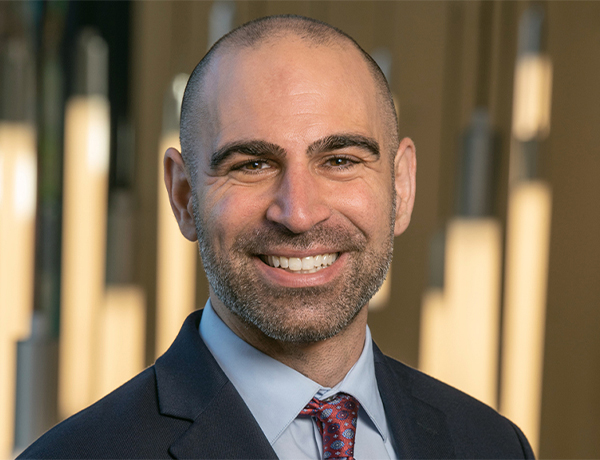
Adam Chiara began teaching at the University of Hartford as an adjunct professor in 2014, joined the full-time faculty in 2016, and is now a Clinical Applied Associate Professor of Communication in the College of Arts and Sciences. He has taught a variety of classes, including first-year seminars, graduate-level courses, online courses, honors courses, career preparation courses, and a mix of required and elective courses for the communication major. His classes often feature experiential learning, collaborative projects, and discussion-based instruction that promotes critical thinking.
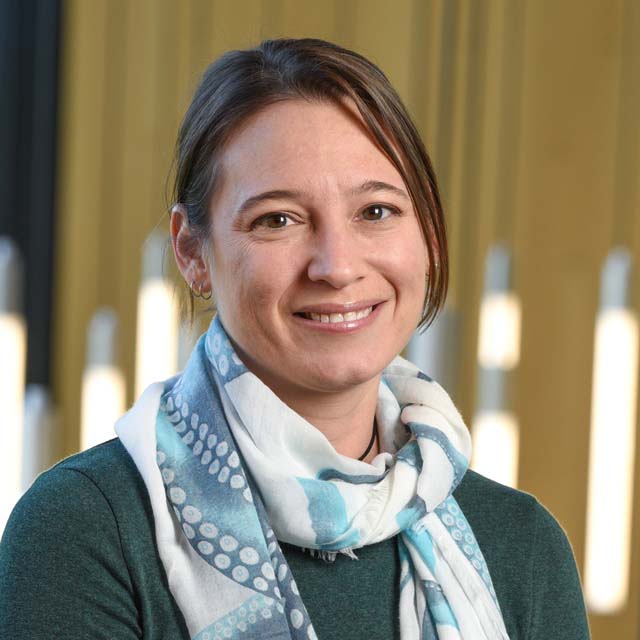
Laura Enzor joined UHart in 2019 and is currently an Associate Professor in the Department of Biology, where she teaches in the Human Anatomy and Physiology program and is the Course Coordinator for BIO122, Introductory Biology I. She specializes in teaching first-year students and incorporates active learning strategies, such as flipping the classroom and case-study-based learning, that promote critical thinking. Her teaching efforts have resulted in accolades, including the Outstanding Faculty Award in 2023 and the Belle K. Ribbicoff Junior Faculty Prize in 2024.
She has participated in (and even developed) several Learn at Lunch Seminars and panels for CTEI on inclusive classroom pedagogies, active learning strategies in STEM, and how to empathize with students while maintaining academic standards. She has also received teaching grants focused on DEIJ practices in BIO122, in collaboration with some of her Biology colleagues.
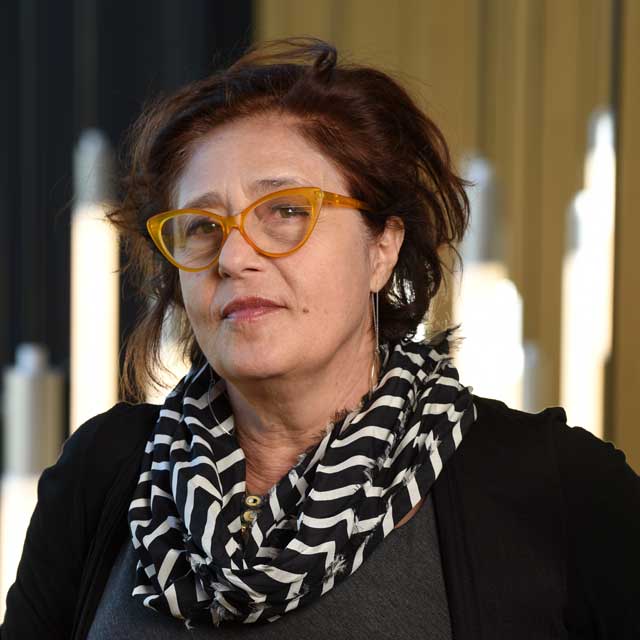
Maria Esposito Frank, Ph.D. Harvard; A.M. Harvard; Orientale University, Naples, Italy M. E. Frank joined the University of Hartford in 1996.
She is a Full Professor of Italian and Renaissance Studies and a Distinguished Teaching Humanist (2010-2012). Her teaching experience includes courses in Italian language and culture, interdisciplinary studies of Renaissance Italy, the Divine Comedy, First Year Seminars, Women in Early Modern Europe, Modern and Contemporary Italian Poetry, and Capstone seminars on various European literary subjects. Her research interests and publications are in the fields of Late Medieval and Early Renaissance Studies, Boccaccio’s Decameron, Dante’s Comedy, Women’s Studies, Theories and Practices of Translation, and Poetry.
She is the recipient of The Roy E. Larsen Award for excellence in teaching and contributions to university life (2022-2023), and of The Oscar and Shoshana Trachtenberg Award for sustained service to the University (2020-2021). In 2011-2012, M. E. Frank received the Donald W. Davis All University Curriculum Award for her outstanding contributions to the University Interdisciplinary Studies program and her advocacy for interdisciplinary education.
Dr. Lillian Kamal is an associate professor of Economics at the Barney School of Business. She teaches undergraduate and graduate courses in Economics and has also taught courses in the UIS Program, as well as Business courses and Social Entrepreneurship courses. She has experience teaching small and large classes, and in both onsite and online formats.
Lillian has a deep interest in innovative teaching techniques, including experiential learning, project-based learning, flipped classrooms, scaffolding, exam wrappers, and collaborative course design. She has also adopted innovative ways to use AI in her classes. She has a strong affinity for interdisciplinary learning and engagement.
Lillian was the 2018 winner of the University of Hartford Larsen Award for Teaching Excellence and has also won teaching awards at the Barney School of Business. She greatly values the support that CTEI has provided her in her own teaching journey. In her own words, “I am absolutely delighted and honored to join the CTEI Peer Observer program, and I look forward to working with the wonderful faculty at the University of Hartford!”
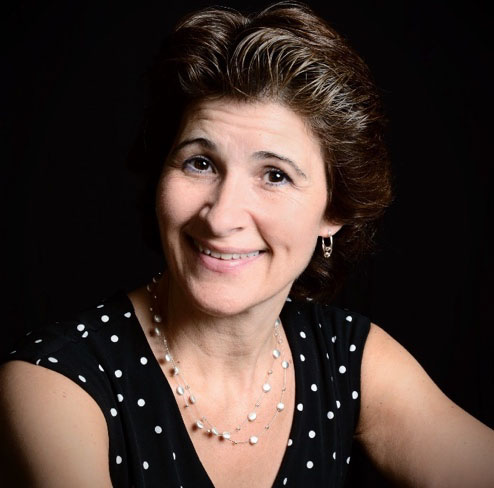 Donna Menhart, Professor of Ear Training (Kodály), began teaching undergraduate ear training and music theory as an adjunct faculty member in the Music Theory program at the Hartt School in 1993. She became a full-time faculty member in 2011 and currently teaches Ear Training and Ear Training Pedagogy at the undergraduate and graduate levels. Professor Menhart is a Master Teacher in Kodály, has taught for the Kodály teacher certification program at the Kodály Institute at Capital University, OH, and currently teaches in the graduate summer Music Education program at Hartt. “I enjoy analyzing and exploring the unlimited ways to approach a pedagogical challenge, constructing scaffolds to support student success, and differentiating methods towards common objectives. I appreciate various perspectives and the reflective process initiated by peer review, and am pleased to be supporting the UH faculty with this program.”
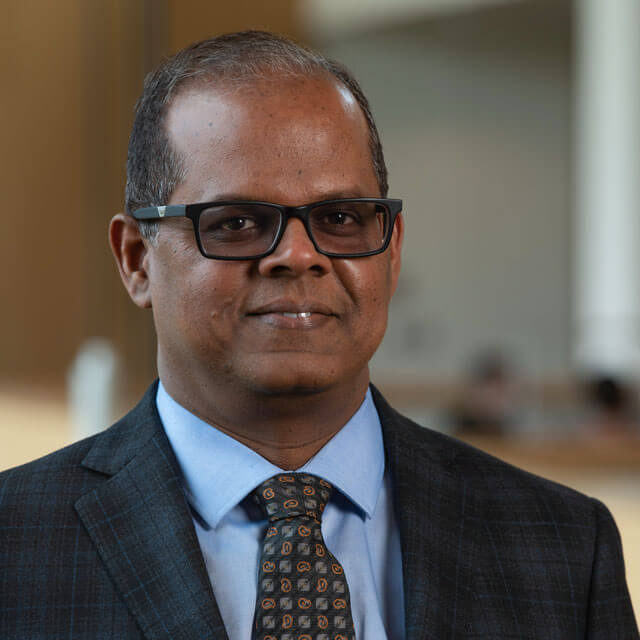 Sundeep R. Muppidi is a Professor of Communication in the College of Arts and Sciences with nearly 30 years of global experience in administration, research, filmmaking, and teaching. He holds a doctorate in mass communication from Bowling Green State University and specializes in international communication and social change.
A prolific scholar, he has authored or edited four books, published over 50 articles, and presented more than 80 conference papers. Dr. Muppidi has held various leadership roles at the University of Hartford and Eastern Connecticut State University, including Associate Provost and Director of Special Programs.
He has also served as Secretary General of the Asian Media Information and Communication Center in Singapore, focusing on strategic planning and DEI initiatives. Recognized for his innovative teaching, he has received several awards, including the Oscar and Shoshana Trachtenberg award. He is a fellow of the American Council on Education and other prestigious programs. Read his full bio here.
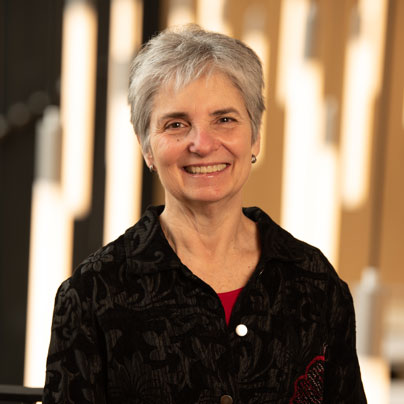 Anne Pidano began her teaching career at the University as an adjunct professor in 1995, joined the full-time faculty in 2005, and is now Professor Emerita of Psychology in the College of Arts and Sciences. She taught in the doctoral program in clinical psychology, with a focus on courses in child psychotherapy, family psychotherapy, and clinical practice. Anne taught small to mid-size classes utilizing a range of techniques including lectures, small group activities, role playing, student presentations, journals, and team building strategies. She notes "It was extremely valuable for me to have colleagues visit my classes and provide feedback and suggestions -- I am honored to have the opportunity to do the same for others as a member of the University's first cohort of trained peer observers." When she retired, she requested approval to continue as a peer observer because she enjoys it but, more importantly, because the Peer Observation of Teaching is an important resource for faculty which enables them to consult with colleagues about their pedagogy.
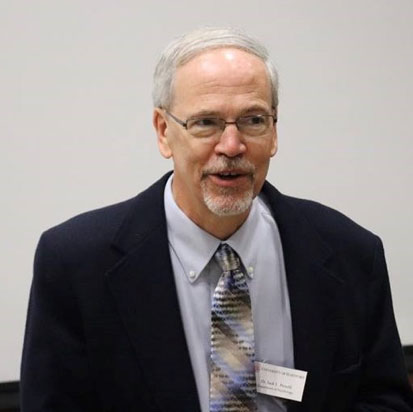 Jack Powell joined the University of Hartford in 1988, and is currently Professor and Chair of the Department of Psychology in the College of Arts and Sciences. Powell was awarded the University’s Roy E. Larsen Award for Excellence in Teaching in 2011 and was a Faculty Fellow of the Humanities Center in 2017-2018. He has taught numerous courses at the undergraduate and graduate level, from Introductory Psychology for first-year students, to research methods and statistics for psychology majors, to Social Psychology for third-year doctoral students. He enjoys providing feedback for faculty in their teaching and finds he learns something new about teaching every time he observes other instructors.
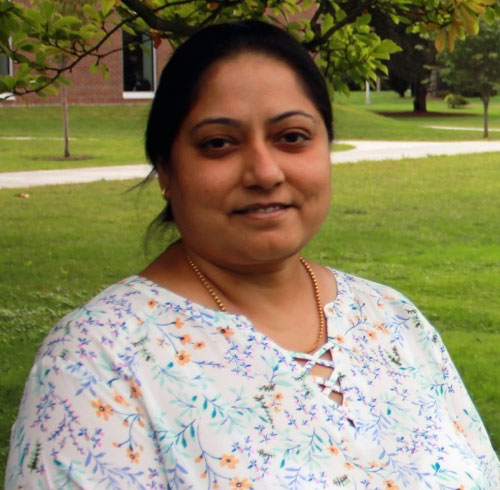 Sheetal Sood, an Associate Professor of Special Education teaches undergraduate and graduate courses in special education. She helps pre-service teachers develop and differentiate between wide ranges of instructional strategies to ensure that their students can reach their highest academic potential. She uses a variety of teaching strategies in both face-to-face and online settings. Sheetal believes that students should be active learners in the classroom. She provides explicit instruction as well as opportunities for students to explore and learn. Her research interests focus on investigating methods to improve mathematics instruction for pre-K through elementary school students who are at risk of or are identified with a disability. Over the years, I have gained extensive teaching experience in various formats, including, in-person, hybrid, synchronous, and asynchronous classes. The University of Hartford has provided me with the opportunity to develop, direct, and teach in a fully asynchronous graduate level program. This experience has given me a deep understanding of this instructional format and with this expertise, I am highly interested in observing and reviewing asynchronous courses.
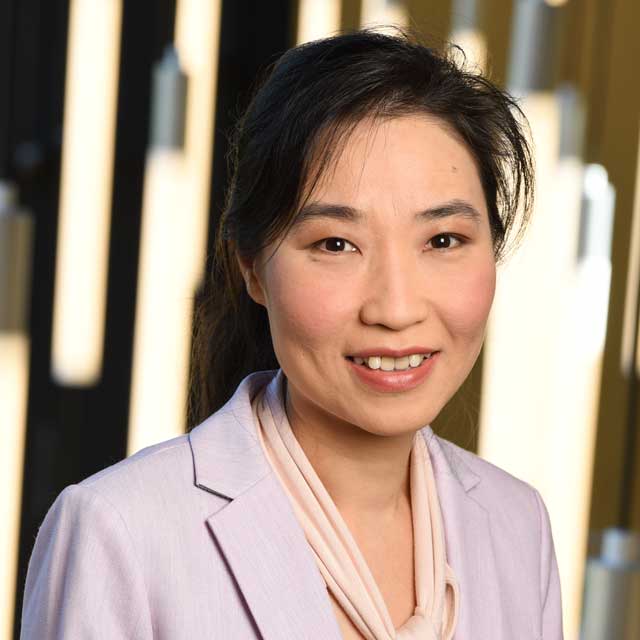 Dr. Ying Yu is an Associate Professor in the Department of Electrical and Computer Engineering. She has taught a broad range of courses, spanning from introductory classes for first-year students to senior capstone project courses and advanced graduate-level courses. Her teaching and research interests focus on integrating peer instruction and artificial intelligence into education, with a particular emphasis on critical pedagogy.